
Teaching Science for 27 Years Means Learning What Actually Works
After 27 years of teaching science, I’ve learned that most lessons don’t start perfectly. They evolve.
Early in my career, I relied heavily on premade activities from the same science catalogs I used to order lab equipment. They were always advertised as “teacher created,” “teacher tested,” or “teacher approved.” I remember the excitement every time our classroom supply order arrived. I wanted to open every box and see how these teacher-made activities would work with my students.
Some of them were excellent. Those became lessons I reused year after year. Others were confusing the moment I opened the box. I struggled to fit them into my pacing, my students’ needs, or my teaching style. On paper they sounded great. In practice, many fell flat.
Adapting Premade Lessons Became Part of the Job
As I gained experience, adapting lessons became part of the job. I learned how to rewrite directions, simplify materials, remove unnecessary steps, and reshape activities so they actually worked in my classroom. Year after year, I continued buying premade science lessons. Some were hits. Some were misses.
What stayed consistent was my frustration with models.
Why I Never Bought the Models I Wanted
I always wanted high-quality biology models. The problem was cost. My classroom budget was about $1,200 a year, and many individual models cost $300 or more. Buying one model meant sacrificing consumables I needed every year for labs.
I had to choose between reusable models and hands-on materials students actually used. The choice was obvious. The models stayed in the catalog. Admired, but never purchased.
Discovering 3D Printing as a Teaching Tool
Then I started hearing more about 3D printing in the classroom.
At first, it was casual. Vendors at craft fairs selling printed toys. On social media, I started seeing all the different things people were creating with their 3D printers. That’s when the realization hit me. I could create my own science models. Models that matched my lessons. Models that matched my teaching style.
This would be 3D printing for teachers, not generic “teacher made” materials from a catalog.
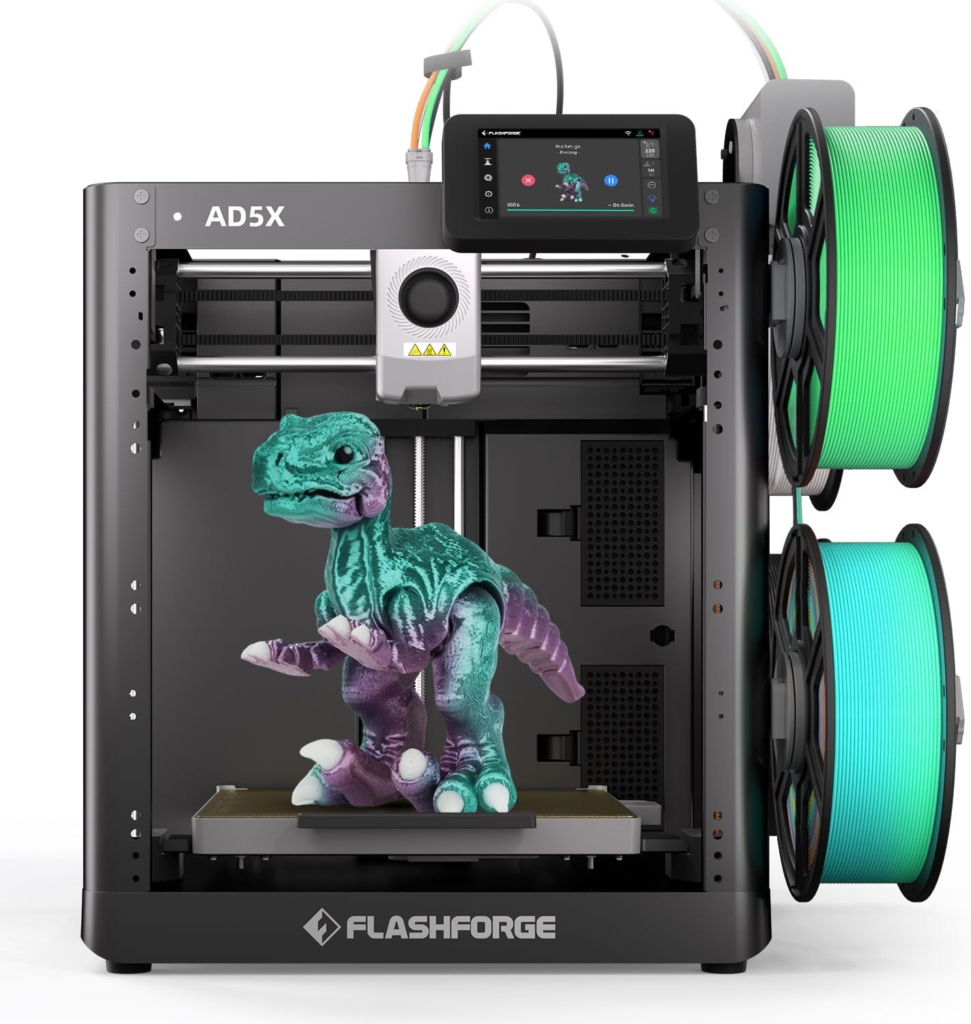
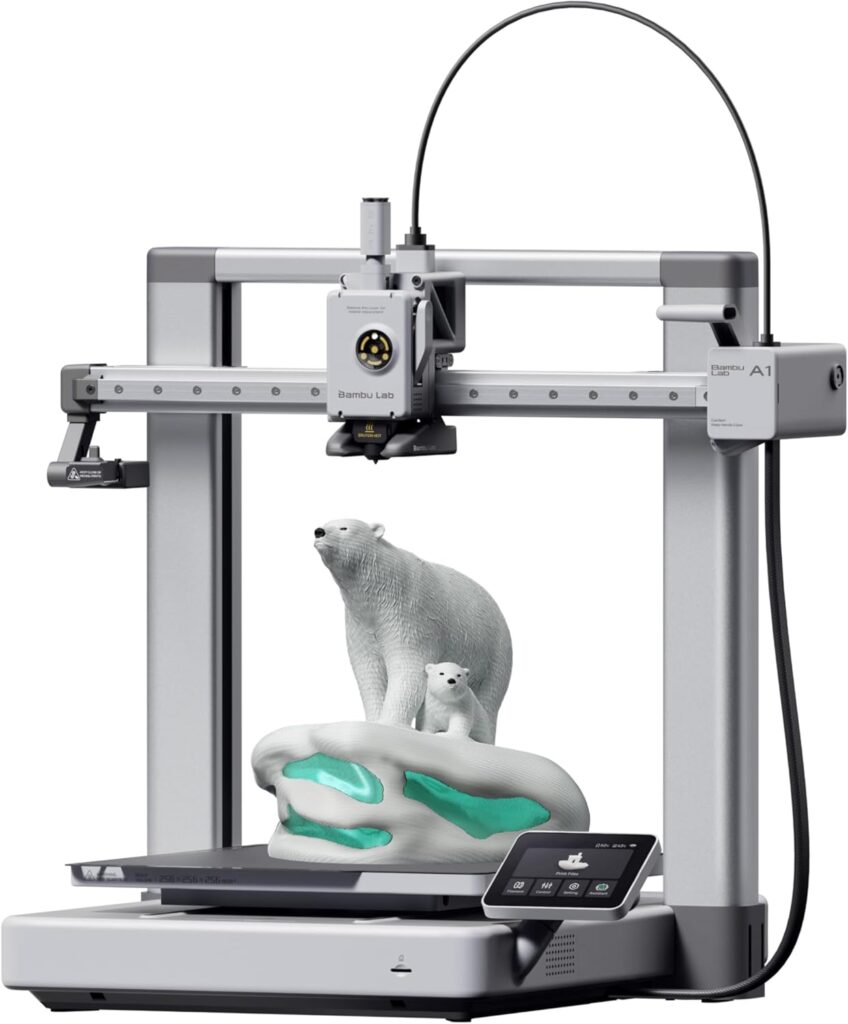
So I did the research. I learned about 3D printers, filament materials, and print settings. I figured out where to find files and how to modify them. YouTube and social media became my library. I made mistakes. I reprinted. I adjusted. And I genuinely enjoyed learning something new.
Creating 3D Printed Science Models That Fit My Teaching Style
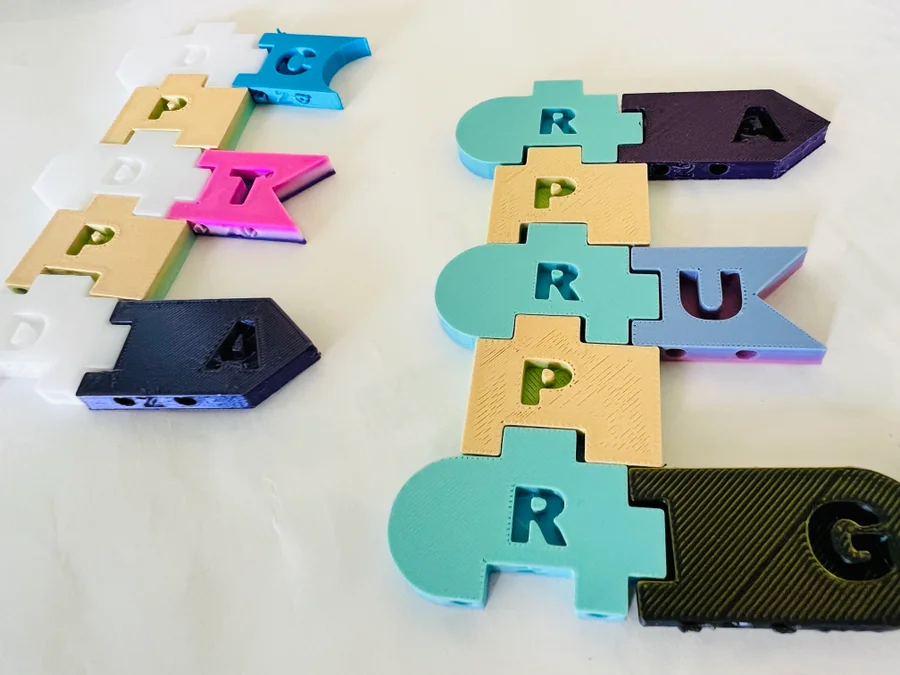
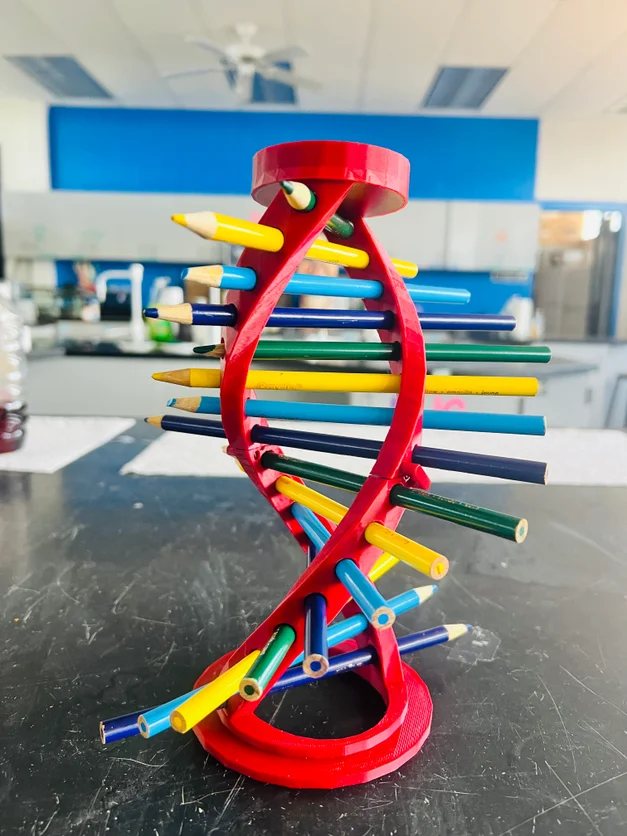
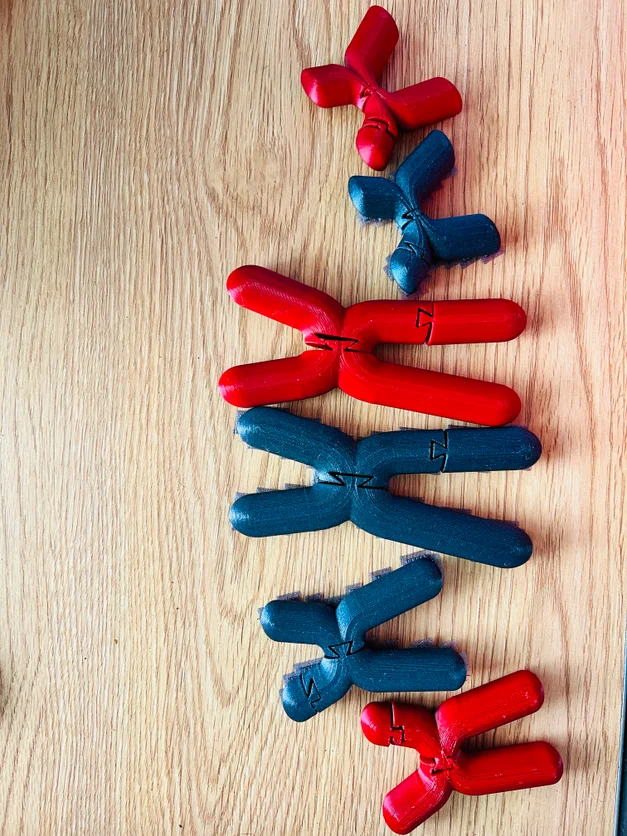
Before long, I was printing cell models, chromosomes, stages of mitosis and meiosis, DNA, DNA replication, and RNA. All the science models I could never justify buying were now being created through 3D printing in the classroom, exactly how I needed them.
They weren’t perfect. But they were intentional. These 3D printed science models matched my lessons, matched how I explained concepts, and worked for my students.
What I Didn’t Expect: Student Excitement
What surprised me most was my students’ reaction.
They walked into class asking, “What are you making today?” or “Are we going to use that in today’s lesson?” They watched the models print layer by layer, just as excited as I was. The 3D printer didn’t just create tools. It became part of the learning process.
That kind of engagement is hard to manufacture. This happened naturally.
Teaching on Your Own Terms
Using a 3D printer for teaching science didn’t replace good teaching. It didn’t fix every lesson. But it gave me something I didn’t realize I was missing. Control. Creativity. The ability to build exactly what I needed, when I needed it, in a way that fit my classroom.
After nearly three decades in education, that matters.
Sometimes the most meaningful shift in teaching isn’t about buying better materials. It’s about finally having the freedom to teach on your own terms.
As an Amazon Associate I earn from qualifying purchases.
Leave a Reply