A practical midyear classroom organization reset for first-year teachers, focused on simple student supply systems that support independence.
The first semester of teaching is a learning curve. Once routines are established and classroom realities become clearer, many first-year teachers begin to notice small systems that could work better. Midyear classroom organization for first-year teachers is not about starting over. It is about making thoughtful adjustments that support students and make daily routines more manageable.
By midyear, you have real experience to guide your decisions. You know how materials move through your classroom, which routines students handle independently, and where small inefficiencies create daily friction. A midyear reset allows you to refine systems based on what you have learned, while keeping what already works in place.
Why a Midyear Reset Makes Sense
A midyear reset works because it is informed by practice, not guesswork. What felt uncertain at the beginning of the year has likely become familiar, making it easier to identify which organizational systems support learning and which ones need adjustment. Rather than redesigning your classroom, this approach focuses on intentional, small changes that improve flow and reduce stress.
When classroom systems function smoothly, students benefit from clearer expectations and teachers gain more time and energy to focus on instruction. The goal is not perfection, but sustainability for the remainder of the year.
Reworking Student Materials and Supply Systems
By midyear, teachers usually know exactly where material systems break down. Students interrupt instruction to ask for supplies, shared items are not returned consistently, and transitions take longer than they should. This is the ideal moment to adjust systems based on what you have already observed, not what you planned in August.
Start by identifying one or two problem areas, not everything. Common midyear issues include:
- Students interrupting instruction to ask for supplies
- Shared materials not being returned consistently
- Individual supplies getting lost or mixed together
- Too many steps to access basic items
Addressing even one of these areas can noticeably improve daily routines.
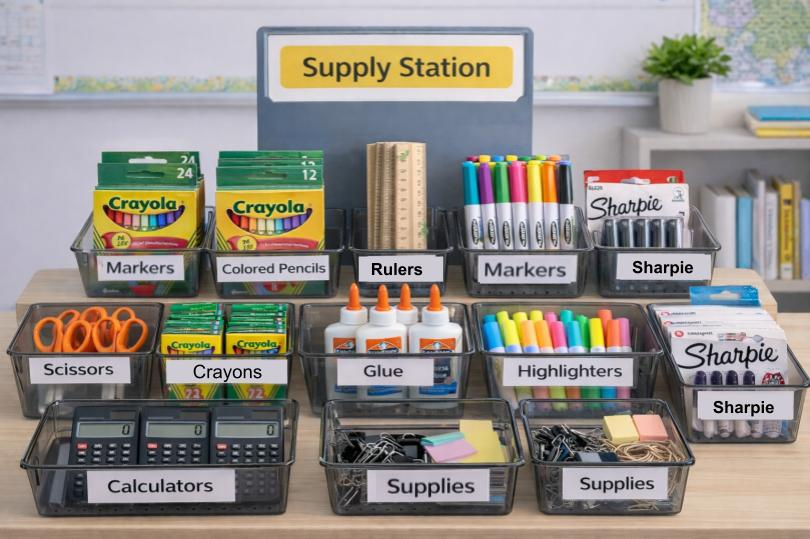
One effective adjustment is simplifying shared supply access. Instead of multiple drawers, bins, or labeled sections, many classrooms function better with one clearly defined supply station. This might include pencils, paper, glue, or high-use items that students can access without permission. Fewer locations reduce confusion and help students build independence faster.
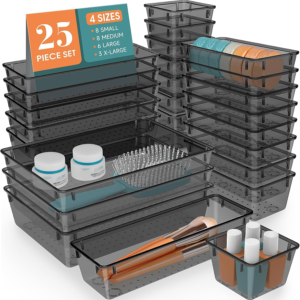
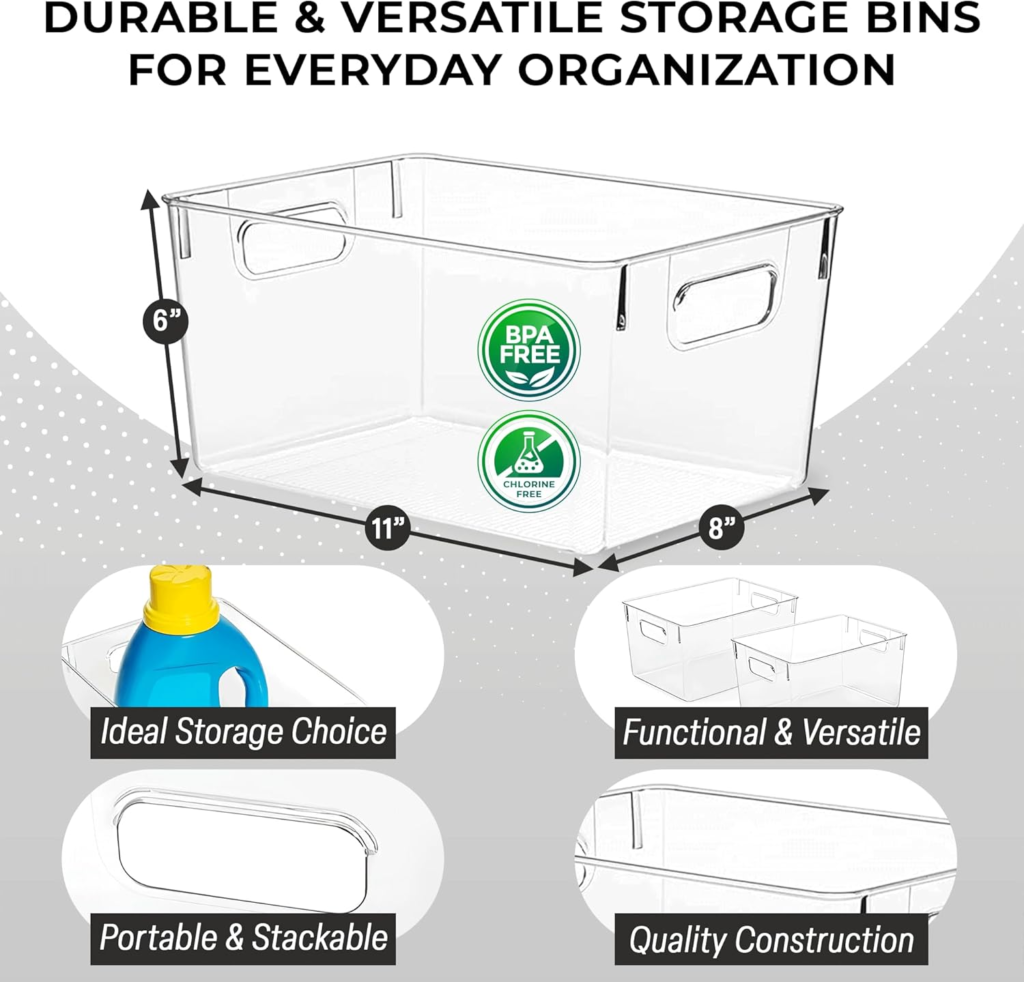
Tools such as a simple label maker, clear storage bins, and a tray paper organizer can support this system by making materials visible and easy to return. The goal is not to buy more, but to create a setup students can understand and maintain without constant reminders.

This post contains affiliate links. As an Amazon Associate, I earn from qualifying purchases.

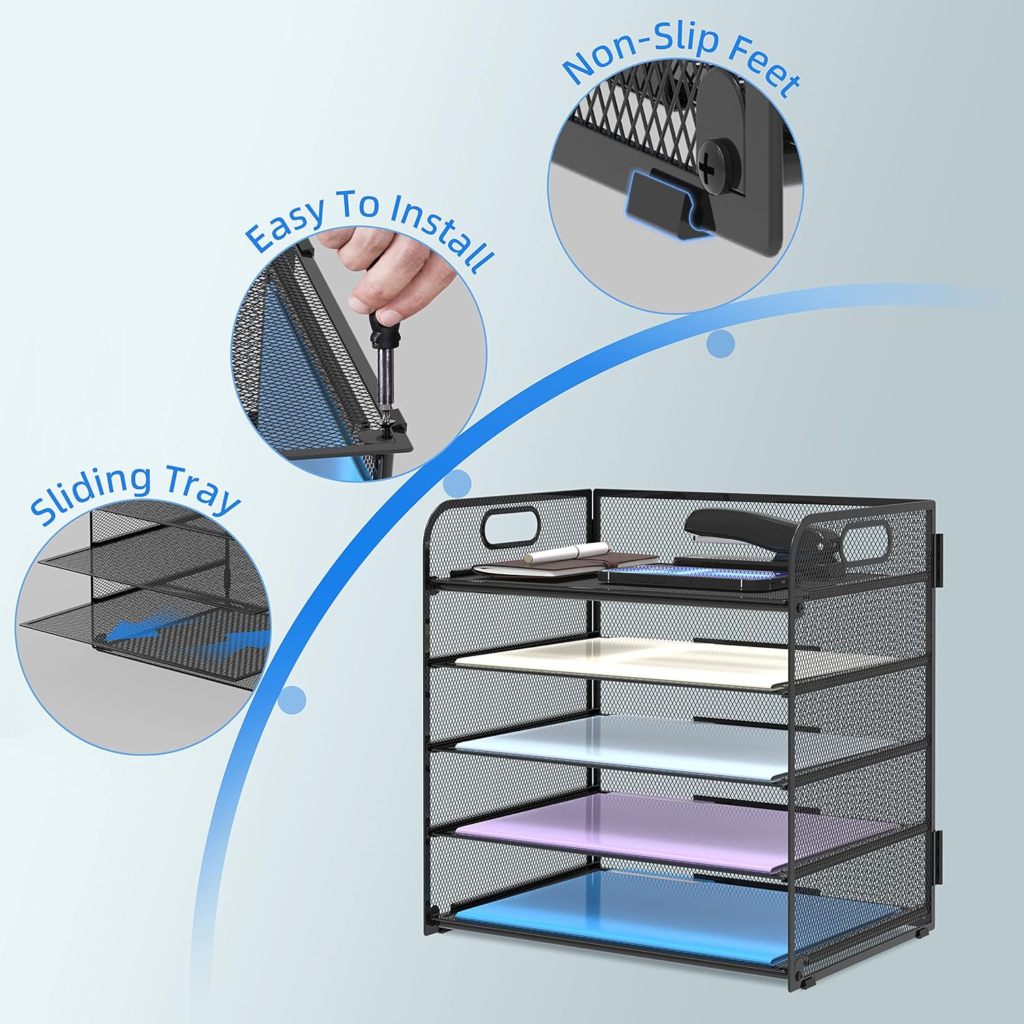
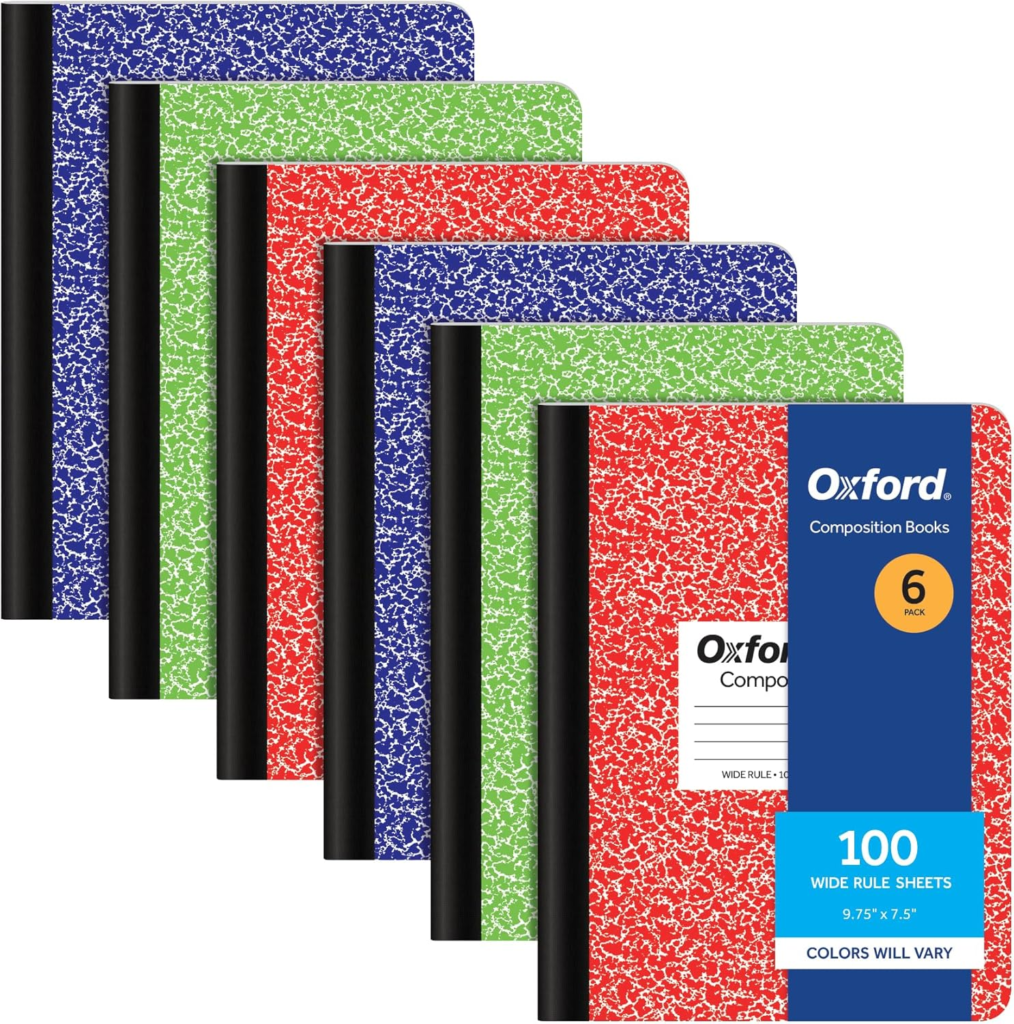

For individual materials, consider whether students truly need to manage everything themselves. Midyear is often a good time to shift from loose papers and folders to a single, consistent storage method, such as a slim binder or designated notebook. When students know exactly where unfinished work belongs, transitions and clean-up become more efficient.
Finally, pay attention to what students already do correctly. If they naturally return items to one spot or organize materials in a particular way, build your system around that behavior instead of forcing a new one. The most effective midyear classroom organization systems are simple, visible, and aligned with how students actually work.
-
Why Classroom Management Starts with Procedures, Not Personality
Classroom management problems rarely start with students. They start with unclear expectations. After 25 years in the classroom, I can tell you this with confidence: rituals, routines, policies, and procedures are not extras. They are the foundation of an independent classroom. When students do not know exactly what to do, when to do it, and
-
Why I Bought a 3D Printer to Match My Teaching Style
Teaching Science for 27 Years Means Learning What Actually Works After 27 years of teaching science, I’ve learned that most lessons don’t start perfectly. They evolve. Early in my career, I relied heavily on premade activities from the same science catalogs I used to order lab equipment. They were always advertised as “teacher created,” “teacher
-
Waiting for the Breaks: Why Travel Matters for Teachers
In my first years of teaching, there was no fall break. There was winter break and spring break, and that was it. I remember those years clearly. The exhaustion. The frustration. That feeling of being completely over it while still having weeks left to push through. You counted days. You kept going. You waited for